Wildlife for All is a national movement to reform state wildlife management to be more democratic, just, compassionate, and focused on protecting wild species and ecosystems.
- Democratic:
- Because wildlife is held in the public trust and everyone should have a voice in wildlife decisions.
- Just:
- Because wild animals deserve to be treated fairly as members of the community of life.
- Compassionate:
- Because wild animals are sentient beings worthy of our empathy and respect.
- Focused on ecological health:
- Because of the urgent need to protect species and ecosystems in the face of a global extinction crisis.
Wildlife for All is a national campaign to reform state wildlife management to be more democratic, just, compassionate, and focused on protecting wild species and ecosystems.
- Democratic:
-
- Because wildlife is held in the public trust and everyone should have a voice in wildlife decisions.
- Just:
- Because wild animals deserve to be treated fairly as members of the community of life.
- Compassionate:
- Because wild animals are sentient beings worthy of our empathy and respect.
- Focused on ecological health:
- Because of the urgent need to protect species and ecosystems in the face of a global extinction crisis.
Wildlife for All
A national campaign to reform state wildlife management to be more democratic, just, compassionate, and focused on protecting wild species and ecosystems.
- Democratic:
- Because wildlife is held in the public trust and everyone should have a voice in wildlife decisions.
- Just:
- Because wild animals deserve to be treated fairly as members of the community of life.
- Compassionate:
- Because wild animals are sentient beings worthy of our empathy and respect.
- Focused on ecological health:
- Because of the urgent need to protect species and ecosystems in the face of a global extinction crisis.
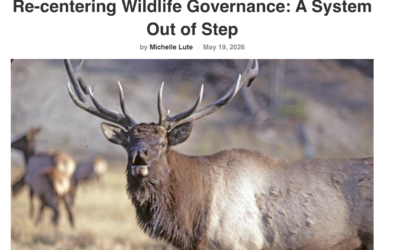
Recentering Wildlife Governance
Our new article for The Wildlife News examines why state wildlife governance systems are out of alignment with modern ecological realities.
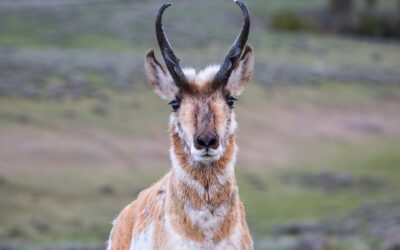
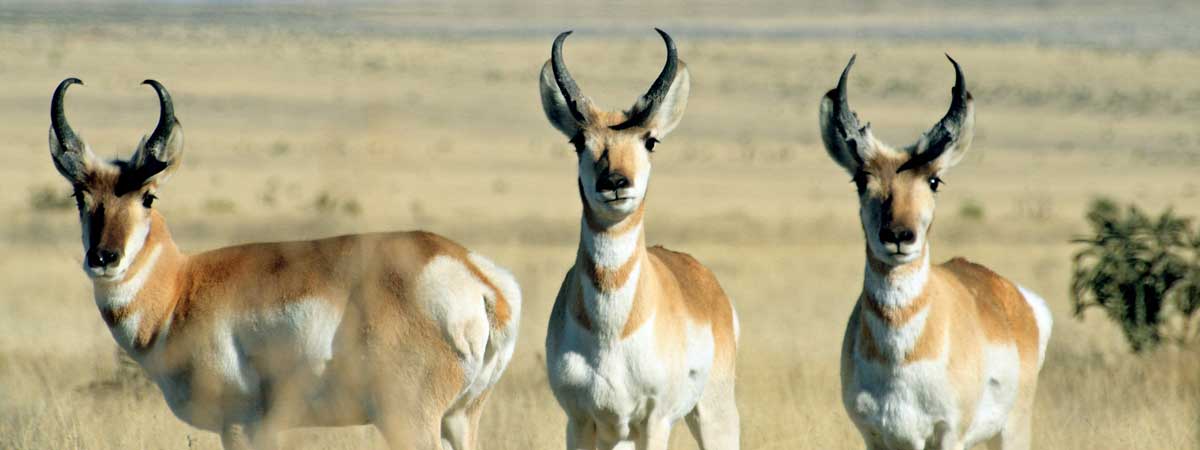
Climate resilience and adaptability is key to Sonoran pronghorn conservation
Endemic to the deserts of Arizona and Sonora, Mexico, the Sonoran pronghorn is a species of high conservation concern. Protecting them requires an integrative, adaptive approach that addresses climate conditions.
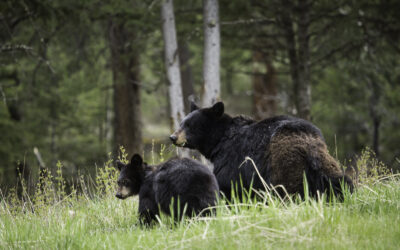
Speak Up for Vermont Bears by May 20
On May 20, the Vermont Fish & Wildlife Board will make decisions that will directly impact black bears across the state, including proposals to expand hunting pressure and increase the use of baiting and hounding.
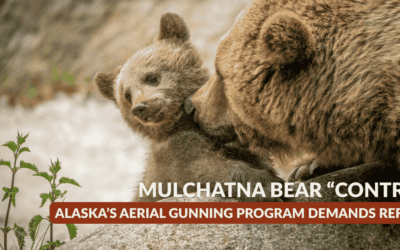
Mulchatna Bear Control: Why Alaska’s Aerial Gunning Program Demands Reform
Alaska’s Mulchatna bear control program has killed nearly 200 bears despite legal challenges and scientific concerns.
Supreme Court Guts Voting Rights Act: What It Means and What To Do Next
Last week, the Supreme Court weakened voting rights by gutting the Voting Rights Act. Here’s what it means and why action is urgent.
May Wildlife Commission Meetings
Speak out and take action at May wildlife commission meetings: find dates, states, and resources on this page.
Wildlife Services Killing Wolves: Why a Protected Wolf’s Death Was Not a Mistake
Wildlife Services killing wolves in Oregon demonstrates the systemic failure in U.S. wildlife policy and highlights the need for reform.
Unreliable population estimates are guiding Montana wolf and Florida black bear management
Case studies from Montana and Florida show an underlying pattern of decisions made without complete data or clear understanding of a wildlife population.
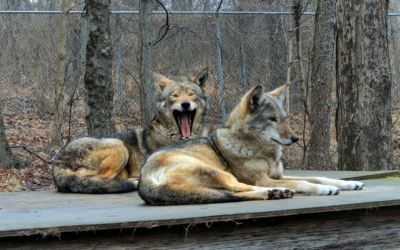
The Reality of Conservation In the United States
Across the United States, most conservation work is carried out outside traditional wildlife management systems.
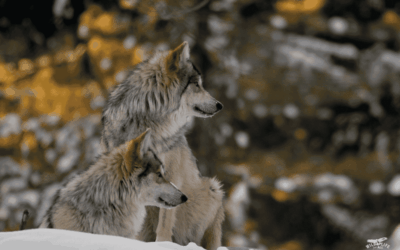
Conservationists Celebrate Release of Mexican Gray Wolves in México and Urge Family Pack Releases in the U.S.
Conservationists are celebrating the historic translocation of two families of Mexican gray wolves in Mexico.
Wildlife for All Supports Washington Wildlife First Lawsuit
Washington Wildlife First filed a federal civil rights lawsuit today against Washington Department of Fish and Wildlife (WDFW) Director Kelly Susewind and Deputy Director Amy Windrope, challenging what plaintiffs describe as a coordinated campaign to silence dissent and undermine independent oversight of the agency.
April Wildlife Commission Meetings
Speak out and take action at April wildlife commission meetings: find dates, states, and resources on this page.
Looking for the Southwest Environmental Center? You’re in the right place. Read more here.